
The Importance of Breastfeeding and Infant Nutrition
Breastfeeding is widely recognized as the gold standard for infant nutrition, providing all the essential nutrients a baby needs for healthy growth and development. Breast milk is uniquely tailored to an infant’s needs; its composition even changes over time to match the baby’s nutritional requirements, ensuring optimal nourishment at every stage. Beyond basic nutrition, breastfeeding offers numerous health benefits for the infant. Babies who are breastfed have lower rates of common illnesses and infections – from ear infections and stomach bugs to longer-term conditions like asthma, obesity, and even sudden infant death syndrome (SIDS). This protective effect is largely due to antibodies and immune factors in breast milk that bolster the baby’s developing immune system.
Breastfeeding confers important health advantages for mothers as well. Women who breastfeed have a lower risk of breast and ovarian cancers, type 2 diabetes, and high blood pressure. The act of nursing also helps many mothers recover post-pregnancy, as it can aid in uterine contraction and postpartum weight management. Given these widespread breastfeeding benefits for both baby and mother, it’s no surprise that major health organizations like the American Academy of Pediatrics (AAP) and the World Health Organization (WHO) recommend exclusive breastfeeding for the first six months of life, with continued breastfeeding alongside complementary foods thereafter.
Additionally, breastfeeding fosters a unique bond between mother and child and may contribute to healthy cognitive and emotional development for the infant. With so many benefits at stake, breastfeeding mothers are understandably protective of their lactation routines. They may be cautious about any medical interventions or procedures that could disrupt infant nutrition or milk supply. One common concern arises when a nursing mother needs advanced diagnostic tests such as an MRI. How can she ensure she gets proper medical diagnosis and treatment (for her own health, which in turn benefits her baby) without compromising her ability to breastfeed? In the following sections, we address this concern in detail, focusing on the topic of MRI of breastfeeding mothers and why, with the right knowledge and support, women can continue nursing safely even when they need an MRI.
MRI as a Vital Diagnostic Tool in Healthcare
Magnetic Resonance Imaging (MRI) is a cornerstone of modern diagnostic medicine. This advanced imaging technique allows doctors to visualize detailed internal structures – from the brain and spinal cord to joints, organs, and blood vessels – without any surgical invasion. An MRI scan works by using strong magnetic fields and radio waves to generate precise images of the body’s tissues. Unlike X-rays or CT scans, MRI does not use ionizing radiation, which means there is no radiation exposure during the procedure. For a breastfeeding mother, this is reassuring: the MRI procedure itself has no direct effect on breast milk or on a nursing infant’s body. (In fact, both the American College of Obstetricians and Gynecologists (ACOG) and the American College of Radiology (ACR) have stated that pregnant patients can safely undergo MRI during any trimester, with no evidence of harm to the fetus – further testament to MRI’s safety.) Experts confirm that there are no special concerns about undergoing an MRI while breastfeeding, and mothers can safely resume breastfeeding immediately after an MRI scan.
Physicians often order MRI scans when they need a highly detailed view to make an accurate diagnosis. For example, if a new mother experiences severe headaches, neurological symptoms, or orthopedic issues postpartum, an MRI might be critical to the diagnosis. MRI is renowned for its ability to detect subtle abnormalities in soft tissues, making it invaluable for identifying conditions ranging from herniated discs and ligament tears to brain lesions or internal organ problems. In breastfeeding women, MRIs might also be used to investigate health complications that can arise after childbirth (for instance, persistent back pain or neurological changes), or any unrelated medical issues that happen to occur during the lactation period. The key point is that a mother’s need for proper medical imaging should not be ignored or delayed due to breastfeeding – her health is paramount for both her and her baby’s well-being.
Some MRI exams require the use of a contrast agent to enhance the images. In MRI, most contrast agents contain gadolinium, a special heavy metal element bonded in a chelated (complexed) form. Gadolinium-based contrast is injected into the bloodstream during the scan to make certain tissues or blood vessels show up more clearly, improving the radiologist’s ability to detect and characterize abnormalities. Naturally, breastfeeding patients may wonder what happens if gadolinium contrast is used – will it enter the breast milk, and could it affect the infant? These are valid questions, and we will address them in depth. First, note that the use of contrast is limited to cases where it’s truly helpful for imaging; many MRI studies (such as those of the brain, spine, or joints) can be done without contrast unless a specific detail is needed. When contrast is deemed necessary for the most accurate imaging, radiologists and doctors carefully consider the benefits and potential risks for each patient, including those who are breastfeeding.
Common Concerns About MRI During Lactation
It is natural for breastfeeding mothers to have questions and worries when any medical procedure is recommended. In the case of MRI scans, some of the most common concerns during lactation include:
- Will the MRI harm my breast milk or my baby? The MRI machine’s magnetic fields and radiofrequency waves have no known effect on breast milk or on a nursing infant’s body. The process is non-invasive and does not introduce any radiation or harmful substances into the mother’s system, so the milk remains unchanged by the scan.
- Do I need to “pump and dump” my milk after an MRI? If the MRI is done without contrast injection, there is absolutely no need to discard breast milk or interrupt breastfeeding – the scan alone doesn’t alter the milk in any way. Even when MRI with gadolinium contrast is performed, current medical evidence suggests that throwing away breast milk (“pumping and dumping”) is largely unnecessary. We will explore the reasons in detail in the next section. In the past, some women were advised by doctors to pause breastfeeding for 24 hours after receiving an MRI contrast injection, out of an abundance of caution. This advice was based on older guidelines (for example, certain European radiology groups once recommended a 24-hour interruption). However, more recent research and updated guidelines have shown that routine interruption of breastfeeding is not needed in the case of MRI contrast. Professional organizations now agree that mothers can continue breastfeeding normally after an MRI with gadolinium – a stance that reflects a better understanding of how little of the agent actually reaches the infant (as we’ll detail below).
- Could the stress or the MRI procedure affect my milk supply? An MRI is generally a straightforward and painless procedure, but it’s normal to feel anxious about medical tests. Stress and anxiety can sometimes temporarily affect let-down reflex or milk supply in the short term, but simply having an MRI scan should not cause any significant or lasting impact on lactation. Many facilities (including Intedia) prioritize patient comfort – providing a calm environment – which can help minimize stress for breastfeeding mothers undergoing imaging. If a mother is especially nervous, it may help to nurse or pump shortly before the procedure to relieve breast fullness and ensure she is comfortable during the scan. Knowing that the procedure is safe for her baby can also put her mind at ease, which in turn helps reduce stress.
- What if I need sedation or medication for the MRI? Most MRI exams do not require any sedation – the mother is fully awake during the scan. In the uncommon event that a mild sedative is necessary (for instance, if a patient has severe claustrophobia and cannot tolerate the MRI tunnel), the medication might pass into breast milk. Depending on the specific drug used, doctors might recommend a brief interruption of breastfeeding. This is a separate consideration from the MRI or gadolinium contrast itself. If sedation is planned, the mother should discuss breastfeeding with her healthcare team in advance. Often, a single low dose of a common sedative results in only minimal transfer to milk, and many sedatives are considered compatible with breastfeeding in moderation. If precautionary guidelines suggest a waiting period (for example, a few hours) before resuming nursing, the mother can plan accordingly (such as pumping milk beforehand for that feeding). It’s worth emphasizing that this scenario is rare – most breastfeeding women undergo MRI studies without any need for medication.
Overall, the primary special consideration for breastfeeding mothers during MRI is the use of gadolinium contrast. This is the aspect that historically raised questions about infant safety. In the next section, we delve into the scientific data and official guidelines about gadolinium contrast in breast milk, to understand why the consensus today is very reassuring for lactating patients.
Understanding Gadolinium Contrast and Breast Milk
Gadolinium-based contrast agents (GBCAs) are frequently used in MRI scans to improve the visibility of certain tissues or blood vessels. When a breastfeeding mother receives a gadolinium contrast injection for an MRI, a natural question is: how much of that contrast agent will end up in her breast milk, and could it pose a risk to her infant? Extensive research has been conducted on this topic, and the findings are very reassuring.
- Minuscule Transfer to Milk: Only a tiny fraction of the injected gadolinium dose actually makes its way into breast milk. Scientific studies have quantified the amount: on average, less than 0.04% of the mother’s gadolinium dose is excreted into her milk in the first 24 hours. To put that in perspective, if a mother received 10 mL of contrast, less than 0.004 mL would appear in her milk over the next day – just a few drops in total. Moreover, infants ingest only a portion of that already tiny amount, and the human digestive system absorbs <1% of the gadolinium that an infant swallows from milk. In fact, it’s estimated that a nursing infant would absorb well under 0.0004% of the contrast dose originally given to the mother. This level is astoundingly low – orders of magnitude below doses that might cause any concern. A leading radiology authority, the American College of Radiology, notes that the amount of gadolinium an infant is exposed to via breastfeeding is far below the permissible dose even for direct infant contrast imaging. In other words, if that small amount were hypothetically injected into an infant for their own MRI, it would still be considered safe; thus, the trace amount received through breast milk is nowhere near harmful levels.
- No Harmful Effects Observed: Given the extremely low exposure, it is not surprising that no adverse effects in infants have been reported from mothers’ MRI contrast. Theoretical risks include potential toxicity from gadolinium (if any of it were “free” and not bound in its chelated form) or allergic sensitization in the baby, but these remain theoretical – to date, there have been no documented cases of any harm to a breastfeeding infant due to gadolinium in breast milk. In fact, even if the contrast were to slightly alter the taste of breast milk – an effect noted anecdotally – it would have no harmful impact on the nursing child. The gadolinium in contrast agents is tightly bound to carrier molecules (chelates) that help it clear out of the mother’s body via her kidneys within about 24 hours. The overwhelming bulk of any gadolinium that does pass into milk remains in this stable, chelated form, which is poorly absorbed by the infant’s gut. By the time 24 hours have passed, the mother’s body has eliminated nearly all of the contrast agent through urine, and only trace residues might remain in her system (and milk).
- Expert Guidelines – Safe to Continue Breastfeeding: Because of these facts, radiology and breastfeeding experts agree that it is safe for a nursing mother and infant to continue breastfeeding after an MRI with gadolinium contrast. The American College of Radiology explicitly states that the available data support continuing breastfeeding without interruption after receiving a gadolinium contrast agent. Similarly, the Academy of Breastfeeding Medicine and other professional bodies have concluded that the tiny exposure via milk poses no risk, and that routine cessation of breastfeeding is not required after a mother undergoes contrast-enhanced imaging. Multiple studies over the years back up this consensus. (For instance, the ABM protocol notes that numerous lactation studies have demonstrated the safety of gadolinium-based contrast in breastfeeding patients, with no ill effects on infants.) National and international radiology organizations – including the ACR in the United States, the Royal College of Radiologists (RCR) in the UK, the European Society of Urogenital Radiology (ESUR), and the Royal Australian & New Zealand College of Radiologists (RANZCR) – all concur that breastfeeding can continue normally after a mother receives MRI contrast.
It is worth mentioning that a few decades ago, out of caution, some guideline committees did suggest that mothers might consider discarding breast milk for 24 hours after contrast. This was never due to any observed infant harm, but simply a conservative theoretical precaution. Today, those recommendations have been updated in light of solid evidence. For example, European guidelines have evolved, and North American guidelines from radiologists and obstetricians state clearly that breastfeeding need not be disrupted after a mother undergoes contrast media. The consensus is so strong that these organizations often frame it as the mother’s choice – if a fully informed mother still feels more comfortable withholding breastfeeding temporarily, she may do so, but medically there is no requirement to do so.
- Optional Precautions for Peace of Mind: Every mother and baby pair is unique, and some parents may feel more comfortable taking extra precautions despite the evidence of safety. Healthcare providers should support informed decision-making. If a mother remains worried, she has the option to feed her baby with previously expressed breast milk (or formula) for a short period after the MRI and “pump and dump” her milk during that time. The ACR advises that this is not necessary, but it is an available option for mothers who would otherwise experience significant anxiety. Importantly, if a mother chooses this approach, a 12- to 24-hour interval of pumping and discarding milk is more than sufficient – since contrast is nearly completely out of her bloodstream by 24 hours, there is no benefit to avoiding nursing beyond that point. In anticipation, she can pump and store some milk ahead of time to have available for feedings during the brief interruption. She should also continue to pump on her normal schedule during the interval to maintain supply.
However, it bears repeating that for most women, no special intervention is needed at all. Resuming breastfeeding as usual after the MRI is the standard recommendation. In fact, forcing a lengthy interruption when it’s not truly necessary can create its own problems: the mother may become engorged or uncomfortable, the baby might be distressed by the sudden change, and there’s a small risk of reducing milk supply or even precipitating mastitis (a breast infection) if the breasts aren’t emptied regularly. Introducing formula or bottles when not needed can also disrupt the breastfeeding routine (some babies may refuse bottles or the mother may have trouble maintaining supply). Health authorities recognize that unnecessary weaning or prolonged pumping routines can inadvertently cause harm, which is why the current approach is to avoid any disruption unless absolutely medically indicated.
Not all gadolinium contrast agents are identical – older formulations (such as gadodiamide) tended to release more free gadolinium ions and have been removed from the market in some countries. Newer macrocyclic gadolinium agents bind the metal much more tightly, drastically reducing any potential dissociation. These modern contrast agents are considered even safer, including for breastfeeding mothers. (In practice, the small amount of gadolinium that enters milk is mostly present in the chelated, bound form, which the baby’s gut absorbs very poorly.) Intedia, like most high-quality imaging centers, uses the latest generation of gadolinium contrast media with excellent safety profiles – patients can be confident they are benefiting from the most up-to-date technology.
To illustrate how safe MRI contrast is during lactation, consider a real-life example. A breastfeeding mother with a 38-day-old infant underwent an MRI with gadolinium for a medical issue. She was cautious and waited about 6–8 hours after the injection before nursing again. Her infant experienced no adverse effects whatsoever from the MRI or the contrast exposure. This anecdote aligns with what larger studies have found – babies show no problems even when mothers breastfeed immediately after receiving contrast.
In summary, the scientific and medical consensus is that an MRI with gadolinium contrast does not pose a risk to a breastfeeding infant. The tiny amount of contrast that enters breast milk is negligible and not absorbed in any meaningful quantity by the baby. Armed with this knowledge, breastfeeding mothers can undergo necessary MRI scans without fear for their infant’s health.

Other Imaging Modalities: X-rays, CT Scans, etc.
While this article focuses on MRI, it is worth noting that most other common imaging procedures are also compatible with breastfeeding. Plain X-rays (such as chest X-rays or dental radiographs) and ultrasound examinations have no effect on breast milk at all – they do not introduce any substances into the mother’s body that could reach the baby. CT scans (computed tomography), which often use intravenous contrast containing iodine, are similar to MRI in that only a minute percentage of the contrast medium enters breast milk, and an even tinier fraction is absorbed by the infant. Studies have shown that less than 1% of an iodinated contrast dose given to the mother is excreted into breast milk, and <1% of that amount is absorbed by the baby’s digestive tract. In total, the infant would get far under 0.01% of the mother’s iodine contrast dose – a trivial exposure. Accordingly, multiple guidelines (including those from radiology and nursing organizations) state that it is not necessary to interrupt breastfeeding after maternal iodinated contrast for a CT scan. This mirrors the guidance for MRI contrast.
The only imaging situations that may warrant breastfeeding precautions are nuclear medicine studies that involve radioactive tracers. Certain nuclear medicine or PET scans use radioactive isotopes that can be excreted in breast milk or result in external radiation. In some cases (for example, high-dose radioactive iodine treatment for a thyroid condition), breastfeeding must be paused or even stopped – but these are very specific scenarios. Doctors will provide individualized instructions in such instances. These nuclear medicine cases are beyond the scope of this discussion, but it’s reassuring to know that for standard imaging procedures in diagnostic radiology (X-ray, CT, MRI, ultrasound), breastfeeding is almost always safe to continue. In fact, the Academy of Breastfeeding Medicine’s guidelines include a table of common imaging modalities and recommendations, and for all routine radiologic exams (from dental X-rays to CTs and MRIs with contrast) the recommendation is “No interruption needed”.
Practical Tips for Breastfeeding Mothers Needing an MRI
For a breastfeeding mother who needs an MRI, understanding the facts ahead of time is the first step. Armed with the knowledge that MRI – even with contrast – is compatible with lactation, she can approach the procedure with much more confidence. The following practical tips can further ensure a smooth experience:
- Know What to Expect During the MRI: Understanding the process can ease anxiety. You will lie on a sliding table that positions you inside the MRI machine (a large, tube-like scanner). It will produce loud tapping or thumping noises during the imaging sequences (you’ll be given earplugs or headphones for comfort). The exam is painless – your job is simply to lie still as the machine takes images. The technologist will be able to see and hear you the whole time, and you’ll likely have a call button to squeeze if you need anything. If at any point you feel uncomfortable (for example, if you need to pause to reposition or just to take a break), you can communicate with the MRI staff via intercom. At Intedia, we ensure that patients know they can speak up – your comfort and peace of mind are important while we obtain the images. Knowing these details beforehand can help a breastfeeding mother feel more at ease going into the scan.
- Communicate with Healthcare Providers: Always inform your physician and the radiology center staff that you are breastfeeding. This ensures the medical team can give you the most up-to-date advice and accommodate any specific needs. At Intedia, for example, our radiologists and technologists are very attentive to the concerns of nursing mothers – we encourage you to ask questions and discuss any worries before the scan begins. Don’t hesitate to voice your priorities (such as minimizing time away from your baby or avoiding unnecessary formula use); a good provider will work with you to meet those needs.
- Schedule Wisely if Possible: If you have flexibility in scheduling, you might arrange the MRI for shortly after a breastfeeding session. Feeding your baby (or pumping) right before the MRI can make you more physically comfortable during the scan (less breast fullness) and also means there will be a decent interval before the next feeding. Since gadolinium contrast is cleared from the bloodstream relatively quickly (it has a plasma half-life of about 2 hours in someone with normal kidney function), even a gap of a few hours between the injection and the next feeding further reduces the already negligible amount of contrast in your milk.
- Consider Pumping Milk in Advance: If it gives you peace of mind, you can pump and store some breast milk ahead of time to have available for feeding your baby after the MRI. Many mothers find they don’t end up needing the backup milk (since, as discussed, it’s usually fine to continue breastfeeding as normal), but having a bottle or two stored can be a psychological comfort if you’re anxious about the procedure. If you do decide to use stored milk or formula for a feeding or two after the scan, remember to pump your breasts on your regular schedule during that time to maintain your supply. This way your baby can return to the breast afterward without any issues in your milk production.
- Know that You Likely Don’t Need to Interrupt Feeding: Based on all the scientific evidence and expert guidelines described above, you can plan to resume breastfeeding immediately after your MRI without any special precautions. If any healthcare provider (for example, a pediatrician unfamiliar with recent data) suggests otherwise, feel free to share the latest guidelines. Many publications from organizations like the ACR and ABM are available to reassure medical professionals (and parents) that continuing to nurse is safe. Intedia’s team follows the American College of Radiology guidelines, which explicitly state that no interruption of breastfeeding is necessary after receiving contrast media.
- If You Choose to Pause, Do So Briefly and Effectively: Ultimately, the decision is yours. If you remain uneasy and decide to temporarily withhold breastfeeding after the MRI, keep the interruption short. A 12- to 24-hour pause is more than enough – longer abstention is not beneficial. During that time, you should pump and discard your milk on your normal feeding schedule to avoid engorgement and keep up your supply. Having pre-pumped milk available (or using formula for a day) will ensure your baby continues to be fed. Try to return to breastfeeding as soon as you feel comfortable; unnecessarily prolonging the break can lead to a fussy baby, breast discomfort, and risks like plugged ducts or mastitis, so keep any precautionary interruption as short as possible.
- Take Care of Yourself: Staying hydrated and managing stress can help your milk supply and overall well-being. Use whatever relaxation techniques work for you on the day of the MRI. If you’re able, breastfeeding or pumping shortly before the exam can not only reduce breast fullness but also release calming hormones that might help you feel more relaxed. After the MRI, continue your normal routine – there is no need for any “detox” measures. Your body will naturally eliminate the contrast (if any was used) via your kidneys. If you notice your baby seems a bit fussy at the next feeding (perhaps if the taste of your milk was slightly different, as noted earlier), don’t be alarmed – this effect is temporary and not harmful.
By following these tips and working with a supportive imaging provider, most mothers find that an MRI procedure can come and go with minimal disruption to their breastfeeding journey. Remember that your health is extremely important. Getting the right diagnostic imaging or treatment through procedures like MRI will ultimately help you be the healthiest mother possible for your baby. Fortunately, with today’s knowledge and strategies, you can undergo necessary imaging without sacrificing your breastfeeding goals.
Breast Imaging and Lactation: Special Considerations
Thus far, we have focused on the safety of MRI for the breastfeeding process itself – making sure that the baby isn’t affected by the mother’s scan. Another aspect to consider is how lactation can affect breast imaging and what adjustments might be made when performing imaging of the breasts (like mammograms, breast ultrasounds, or breast MRIs) on a lactating woman.
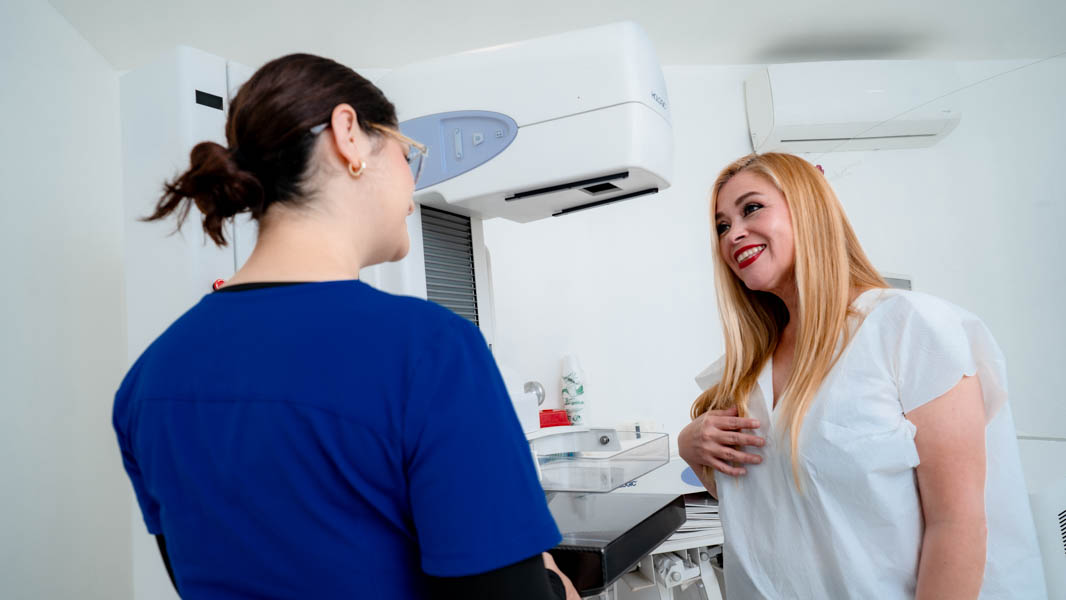
Breastfeeding and the lactation period bring about significant changes in breast tissue. The breasts become enlarged with milk, blood flow increases, and the glandular tissue is more active. On mammograms, lactating breasts tend to appear denser, which can sometimes make interpretation a bit more challenging. However, there is no contraindication to performing mammography during lactation – if a nursing woman needs a breast exam (for example, to evaluate a lump or to continue routine cancer screening), it should be done without delay. In fact, guidelines emphasize not to defer necessary breast imaging simply because a patient is breastfeeding. The American College of Radiology’s recommendations indicate that diagnostic workup for issues like a palpable breast mass or concerning nipple discharge should proceed in lactating patients just as it would for non-lactating women. That means using the usual modalities: ultrasound and/or mammography as first-line tools, with MRI reserved for specific indications.
One practical tip specific to lactation is that nursing or pumping right before a breast imaging study can improve the accuracy of the exam. Emptying the breasts reduces their fullness and density. For a mammogram, this can make the breast tissue less taut and easier to compress (which may also reduce discomfort), and it can slightly improve the ability to see fine details by reducing the milk-related density in the image. For an ultrasound, removing some milk volume can help the sound waves penetrate and provide clearer images. Even for an MRI of the breast, some radiologists suggest breastfeeding or pumping beforehand to reduce overall engorgement and background enhancement, which could otherwise potentially obscure small lesions.
It’s also important to recognize normal lactation-related changes in imaging so they are not mistaken for pathology. During breastfeeding, it’s common to develop benign breast conditions such as galactoceles (milk-filled cysts) or dilated milk ducts, which can sometimes be felt as lumps. These usually have characteristic appearances on imaging. Radiologists are aware of what lactating breast tissue looks like and the benign findings that can occur. For instance, on MRI, lactation causes a general increase in background parenchymal enhancement of the breast tissue (because of increased blood flow and hormonal activity). This could potentially mask a tiny tumor by making the entire breast have more enhancement. However, studies and clinical experience have shown that even in lactating women, MRI is capable of distinguishing true suspicious lesions from normal lactation changes by analyzing the shape and enhancement kinetics of any findings. In other words, while the lactating breast is physiologically “busy,” radiologists have techniques to interpret the images appropriately in that context.
If a breastfeeding woman notices a breast lump or other symptom, she should contact her doctor and get it evaluated promptly – one should not assume it’s “just due to breastfeeding” without proper assessment. The good news is that over 80% of palpable breast masses in breastfeeding women turn out to be benign (non-cancerous) – for example, related to clogged ducts, fibroadenomas, or other benign growths that can enlarge due to hormonal stimulation. But a proper evaluation (which usually involves imaging, and sometimes a biopsy) is crucial to rule out conditions like mastitis (a breast infection that may need treatment) or, rarely, breast cancer that happens to occur during the lactation period. Diagnostic imaging plays a key role in this evaluation. Typically, ultrasound is the first imaging test for a new breast lump in younger women (including those who are breastfeeding), as it’s very effective at characterizing masses and involves no radiation. Mammography can be added if needed, and is especially important if there are any suspicious findings or if the woman is in an age group where routine screening is recommended. MRI of the breast might be used in select scenarios – for example, if initial tests are inconclusive, or if the woman is at very high risk for breast cancer and requires screening MRI even during lactation. According to ACR guidelines, screening breast MRI during lactation is not contraindicated; if a woman is high-risk and due for her annual MRI, she can proceed with it while breastfeeding. (They do note that if it’s purely elective and the patient prefers, she might wait until ~3 months after finishing breastfeeding to do a screening MRI, to reduce background enhancement and improve test specificity – but this is a practical consideration for image clarity, not a safety issue.)
In summary, breastfeeding mothers can and should receive timely breast imaging when clinically indicated. Lactation can introduce some imaging challenges, but radiologists are trained to account for these changes. Techniques like feeding or pumping before the exam and correlating imaging findings with clinical context help ensure that diagnosis is not delayed. Intedia’s imaging specialists, for example, are well-versed in handling lactating patients – our team knows how to optimize image quality and interpret findings in the context of lactation. We understand that a mother’s health is paramount, and we strive to provide accurate answers while supporting her breastfeeding goals.
Choose Intedia for Comprehensive, Safe Imaging
When it comes to diagnostic imaging – especially in sensitive circumstances like breastfeeding – having a trusted and knowledgeable provider makes all the difference. Intedia is a leading radiology center that prides itself on precision, compassionate care, and state-of-the-art technology. (For Intedia, “precision that inspires confidence” is more than a slogan – it’s a guiding principle that defines every service we offer.) Our team of experienced radiologists and technologists is well-versed in the latest guidelines from authorities like the American College of Radiology, and we apply this expertise to ensure every patient receives the safest and highest-quality care.
A breastfeeding patient visited Intedia for an MRI of her spine due to persistent back pain. She was worried she might have to choose between getting the scan and continuing to nurse her 6-month-old son. Our team sat down with her and explained the current guidelines – that the MRI and even the contrast dye would not harm her breast milk. We helped schedule her exam right after she breastfed her baby, so she felt comfortable. She ended up opting not to interrupt breastfeeding at all after learning the evidence. Her MRI was completed successfully, revealing a treatable disc issue, and she was able to return home and nurse her baby the very same afternoon with full peace of mind. She later expressed how grateful she was for the supportive, informed approach we provided.
At Intedia, we understand that medical appointments can be stressful – even more so for new mothers who are balancing their own health needs with their infant’s care. That’s why we prioritize human empathy alongside technical excellence. If you are a breastfeeding mother coming in for an MRI (or any imaging study), our staff will take the time to explain the procedure, address your questions about issues like contrast or scheduling, and make accommodations for your comfort. Our commitment is not to the machines – it’s to you, the patient who needs a clear and reliable answer. We aim to provide a calm, supportive environment. You can expect our team to listen to your concerns and work with you so that your experience is as easy as possible. For example, if you need to pump or feed your baby immediately after your scan, we will do everything we can to facilitate that. We never want a mother to feel rushed or unsupported – your wellbeing and peace of mind are integral to quality care.
- Advanced Technology and Expertise: Intedia invests in cutting-edge imaging equipment and follows rigorous protocols to produce the clearest images with the least inconvenience to the patient. We offer a full range of services – from conventional high-field MRI scanners to an Open MRI option for those who have claustrophobia or special positioning needs – ensuring that every patient can complete their study comfortably. Our radiologists are board-certified specialists who bring both technical skill and sound judgment to every case. Each exam’s images are reviewed with careful attention to clinical context, and our reports provide clear diagnostic value with a quick turnaround. This means if there is a health issue that needs to be diagnosed, you and your doctor will have the information promptly, allowing for timely treatment and peace of mind. In short, we deliver on our motto of precision that inspires confidence by combining top-tier technology with the expertise of physicians who truly care.
- Supporting Breastfeeding Mothers: We know that breastfeeding is important to you – and supporting that is important to us. Intedia’s policies and staff training incorporate the latest guidance from lactation and radiology experts, so our team will never ask a mother to interrupt breastfeeding without a genuine medical necessity. We strive to schedule and conduct imaging studies in ways that respect your breastfeeding routine. For instance, if you prefer an appointment time right after a feed (to minimize the chance you’ll need to nurse during the appointment or shortly after contrast), let us know and we will accommodate it whenever possible. If you have any special requests – say, a private space to pump or nurse on-site – we will do our best to arrange that as well. Our goal is that you walk away from your imaging experience feeling respected, informed, and confident in the care you received, without feeling that you had to sacrifice your breastfeeding goals.
- Serving Tijuana, San Diego, and Beyond: Intedia provides high-quality, reliable diagnostic imaging services to the medical community and population of Tijuana and San Diego. We adhere to international standards of excellence and offer bilingual services, making us a trusted provider for patients from both Mexico and the United States. With two convenient locations (including one at Hospital Centro Medico Nova in Tijuana) and extended operating hours, we make it easy to fit imaging appointments into busy lives. We even offer 24-hour emergency radiology services for urgent cases. For a breastfeeding mother, our accessibility means you can find an appointment that suits your schedule – we know flexibility can be crucial when you’re caring for an infant.
You do not have to choose between your health and your baby’s well-being. With Intedia’s expert team and mother-friendly practices, you can undergo crucial imaging procedures like an MRI during breastfeeding with confidence. We are dedicated to delivering clarity in diagnosis while upholding the values of safety, comfort, and compassionate care for both you and your child. Intedia stands ready to support you – if you or someone you know is a breastfeeding mom in need of an MRI or any diagnostic imaging – and we have designed our services with your needs in mind. Reach out to Intedia and let us be your partner in health during this special stage of life.