
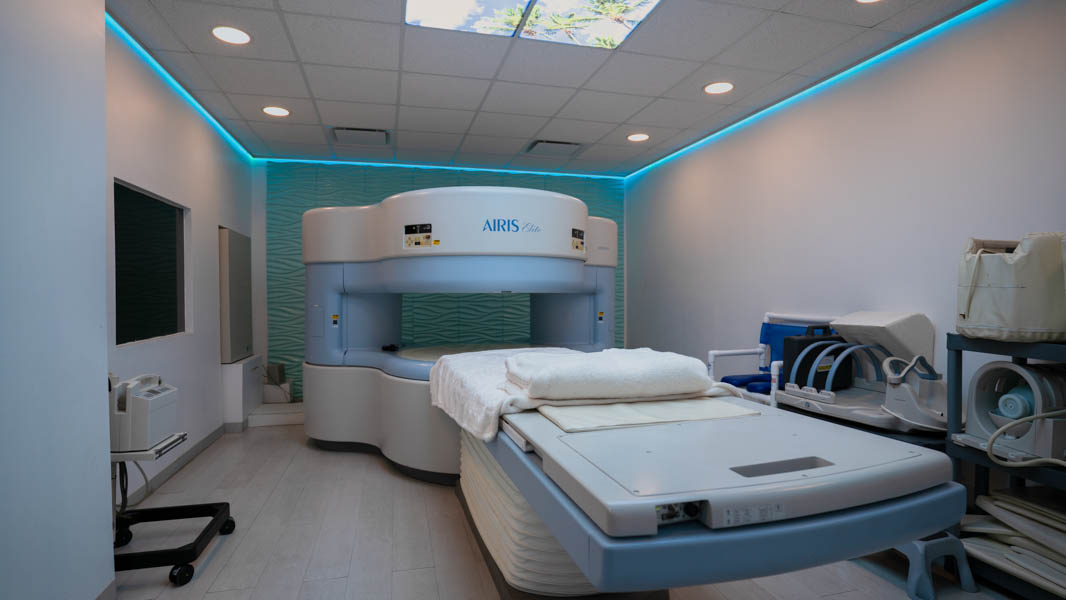
Can You Eat Before an MRI? What to Know
Magnetic resonance imaging (MRI) is a powerful diagnostic tool in modern healthcare. It uses magnetic fields and radio waves to create detailed images of organs, soft tissues and blood vessels. Many patients naturally ask can you eat before an MRI? The answer depends on the type of exam, whether gadolinium contrast or sedation will be used, and the part of the body being scanned. This article explains when fasting is necessary and when normal food intake is permitted, based on hospital guidelines. Throughout, we remind you why choosing Intedia for imaging ensures technical excellence and care. There is no concluding paragraph; instead, each section reinforces that our radiology center in Tijuana provides clear answers and compassionate support.
Understanding MRI and the Role of Preparation
MRI creates cross‑sectional images by aligning hydrogen atoms with a strong magnet and detecting the signals they emit as they return to their original state. Because metal interferes with the magnetic field, patients must remove jewelry, watches and credit cards before entering the scanner. Board‑certified radiologists and skilled technologists oversee the scan from another room and communicate throughout; most examinations last about forty‑five minutes. Sometimes an intravenous (IV) line is placed to administer gadolinium‑based contrast, which highlights blood vessels or inflammation. If you have severe claustrophobia or cannot lie still, sedation or general anesthesia may be arranged. These variables—contrast, sedation and exam type—determine what preparation is necessary.
Proper preparation promotes safety, prevents vomiting during sedation and reduces motion artifacts in an MRI that degrade image quality. It also allows your radiologist to see structures clearly the first time, minimizing repeat scans. Intedia’s staff will provide customized instructions, but the following evidence‑based guidelines offer a general framework.
When Fasting Is Required
Sedation and anesthesia cases
Fasting is essential when sedation or general anesthesia is used to manage claustrophobia, ease discomfort or allow children to remain still. According to anesthesia fasting guidelines from the University Hospital of New Jersey, adult patients should avoid solid food for eight hours and clear liquids for four hours before the exam. Children over three years follow the same rules, while infants younger than six months may have breast milk or formula up to six hours before the scan. These restrictions reduce aspiration risk. Intedia’s technologists monitor breathing and heart rate throughout sedation to ensure safety.
Gastrointestinal, abdominal and pelvic MRI exams
Exams involving the digestive or reproductive organs require more stringent fasting because food and fluid can obscure anatomy and cause discomfort. For enteroclysis (small‑bowel MRI), the University of Utah instructs patients to stop eating after midnight and consume three bottles of Volumen contrast solution in the hour before the scan, drinking the contrast at twenty‑minute intervals. Defogram and rectal MRI studies, used to evaluate pelvic floor disorders, require no food or drink after midnight and involve an enema to clear the rectum. For a prostate MRI, guidelines recommend a light diet the day before and abstaining from ejaculation for three days. Following these restrictions yields clear images.
Protecting image quality with short fasts
Brief fasting may improve image quality for certain studies even without sedation. Magnetic resonance cholangiopancreatography (MRCP), which visualizes bile ducts and pancreas, may require a four‑hour fast to reduce fluid in the stomach and intestines. For cardiac MRI, caffeine must be avoided for twenty‑four hours because it can alter heart rate and perfusion measurements, but patients may take their medications and eat normally. These restrictions optimize the scan.
When Eating Is Allowed
Brain, spine and musculoskeletal MRI
Most MRI scans of the head, neck, spine or extremities require no special eating restrictions. The University of Utah notes that neurogram and brachial plexus MRIs need no specific preparation. Because these studies focus on nerves and soft tissues rather than the digestive system, normal food intake does not affect results. Unless sedation is planned, you may eat a light meal two to three hours before the appointment and drink water as usual. Many patients find that arriving comfortably fed but not overly full helps them lie still. Wear loose clothing without metal, which shortens change‑over time. If you are prone to claustrophobia, ask Intedia about open MRI options; these units have a wider bore and reduce anxiety without sedation. Should sedation still be necessary, follow the fasting rules described earlier.
Cardiac MRI preparations
Cardiac MRI evaluates heart structure and function. When stress agents are used, caffeine abstinence is vital. Otherwise, you may eat and drink normally. Technologists will ask you to hold your breath at several points during the scan, so avoid heavy meals that could cause bloating or vomiting. Keep taking prescribed cardiac medications unless advised otherwise by your cardiologist. Intedia’s radiologists collaborate with your doctor to determine whether gadolinium contrast is needed and provide clear guidance.
Pediatric MRI without sedation
Children undergoing MRI without sedation can usually follow their normal diet. However, because infants and toddlers may require sedation if they cannot stay still, your pediatrician may instruct you to limit food and liquids according to age‑based guidelines. Parents should inform the technologist of any recent food intake or medications. Bringing a favorite toy or blanket can help the child relax during the scan. Intedia’s pediatric imaging team is trained to work with young patients and to explain the process in a friendly manner.

Contrast Agents, Medications and Allergies
Gadolinium contrast
Gadolinium‑based contrast agents improve visualization of tumors, inflammation and blood vessels during an MRI. Fasting is not required solely for gadolinium; however, hydration before and after the exam helps flush the agent through your kidneys. People with severe kidney disease should notify the radiologist, as alternative tests or reduced doses may be needed. Allergic reactions to gadolinium are rare but can include mild nausea or vomiting; if you have a history of allergies, fasting may reduce discomfort. Intedia’s radiologists review your medical history to identify any risks and adjust protocols accordingly.
Taking your medications
Unless told otherwise, most patients should continue daily medications. For cardiac MRI, you may take your medication and eat normally. Diabetic patients who must fast should consult their physician about adjusting insulin or oral hypoglycemics to prevent low blood sugar. Bring a list of all drugs and supplements to your appointment; our staff will verify them and advise if any need to be postponed. Because sedation changes how your body processes medicine, always discuss prescription drugs with both your referring doctor and the imaging center.
Managing implants and metal devices
Some medical implants are MRI‑compatible, while others can be affected by the magnetic field. Pacemakers, cochlear implants and certain aneurysm clips may pose risks. Always disclose if you have metal fragments in your eyes, prosthetic heart valves, spinal stimulators or insulin pumps. The device manufacturer’s documentation usually specifies MRI safety. Intedia’s technologists are trained to evaluate each situation and will coordinate with your referring doctor to determine whether the scan can proceed or if special precautions are needed.
Coping With Claustrophobia and Maintaining Comfort
An MRI scanner can feel confining and produces loud knocking sounds. To mitigate these sensations, technologists provide earplugs or headphones and communicate regularly through an intercom. Patients with mild claustrophobia benefit from practicing deep breathing and keeping their eyes closed. For more severe anxiety, sedation can be arranged. Remember that sedation requires fasting, so discuss options well in advance. Intedia also offers open MRI units that provide more space while preserving diagnostic quality. Wearing comfortable, metal‑free clothing and warm socks can reduce discomfort; the MRI suite may feel cool. Inform staff if you experience tingling, heat or unusual sensations during the scan; these are rare but should be reported immediately.
Practical Preparation Tips
- Remove metal items: Before entering the scanner, remove jewelry, dentures, credit cards and all objects containing metal. Your technologist can provide a locker.
- Follow fasting instructions: If sedation is planned, avoid solid foods for eight hours and clear liquids for four. For gastrointestinal, abdominal or pelvic MRIs, stop eating at midnight and follow specific drinking instructions.
- Choose meals wisely: When fasting isn’t required, eat a light meal a few hours before your exam. Avoid greasy foods that could cause nausea or vomiting. Hydrate with water unless your exam requires a full or empty bladder.
- Take your medications: Continue essential medications unless instructed otherwise. Bring a list to your appointment.
- Plan for comfort: Wear loose clothing without metal. Accept the earplugs provided. If you’re anxious, ask about open MRI or sedation. Arrive early for paperwork and contrast drinking protocols. Extra time reduces stress and ensures proper preparation.
Reasons to Choose Intedia for Your MRI
Intedia Estudios Radiológicos serves patients from Tijuana, Baja California and Southern California. Our center combines advanced technology with a personalized approach to healthcare. Here’s why our services stand out:
- Expertise and compassion: Our board‑certified radiologists deliver accurate interpretations, and our experienced MRI technologists prioritize patient safety and comfort. They are skilled at placing IV lines, administering contrast, and explaining mri guidelines in clear language. From check‑in to results, you will feel supported by professionals who understand imaging and care about people.
- Modern equipment and tailored exams: We operate high‑resolution MRI systems that deliver exceptional image quality while minimizing scan times and noise. For those with claustrophobia or larger body habitus, we offer open MRI options. We follow evidence‑based guidelines for every exam, ensuring you receive appropriate contrast and preparation instructions. Whether you need a routine brain MRI, a complex abdominal study or a specialized pelvic exam, our team can meet your needs.
- Comprehensive services and convenience: Intedia provides a full portfolio of diagnostic imaging, including MRI, X‑ray, CT, ultrasound and mammography. For cross‑border patients, we have bilingual staff and flexible scheduling. Quick reporting means your referring doctor receives timely information for effective diagnosis. Our clinic is easily accessible from both Tijuana and San Diego, offering quality radiology without long waits.
Intedia’s commitment to precision, patient comfort and efficient service makes it a trusted provider for MRI and other radiologic exams. By following appropriate fasting and preparation guidelines and choosing a center that emphasizes both technology and empathy, you ensure a safe and informative experience. When you schedule your MRI at Intedia, you are not just getting a test—you are gaining a partner dedicated to your health.
Located near the U.S.–Mexico border, Intedia is uniquely positioned to serve patients from San Diego seeking high-quality imaging without long waits or high costs. We understand appointments and can coordinate schedules to fit plans. This binational approach ensures that patients on either side of the border receive radiology and care. For those seeking expert imaging in a modern facility, Intedia stands ready to meet your needs with professionalism and respect. We also provide advice and email reports today.